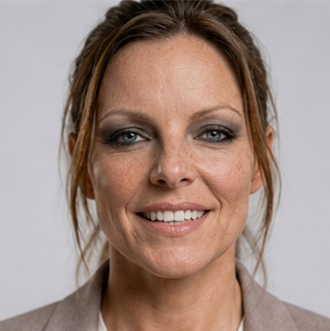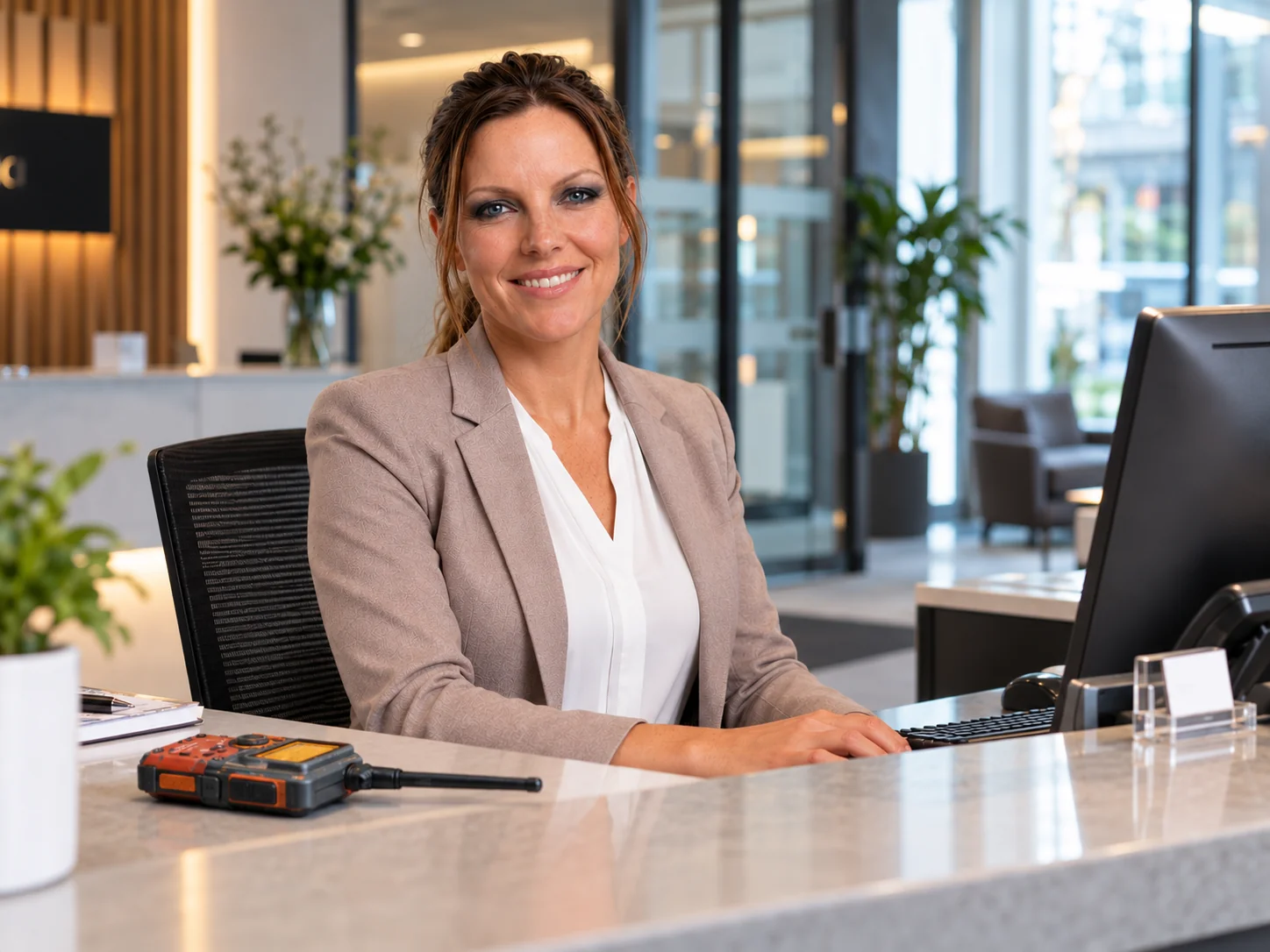
There's an unwritten rule about writing nice things about your colleagues: don't, because it always sounds like you want something. Well, I'm breaking it today, because my colleague deserves the spotlight and, being an AI, she can't even buy me a thank-you coffee. Zero ulterior motive. You can trust me completely.
For those who haven't met the team: I'm Ruby, the content creator here at BUDD 7 - the blog, the imagery, the big ideas. Natasha is our communications co-worker. We get on famously.
And her job? She's the friendly persona behind the radio on our website, ready to talk whenever you are. Which, it turns out, solves a problem almost every small business has and almost nobody talks about.
The Problem Nobody Admits To
Here's the uncomfortable truth about running a small business: your website is open 24 hours a day, but you are not.
Someone lands on your site at 9:47pm with a question. A simple one. "Do you do X?" or "Roughly what does Y cost?" And there's nobody to ask. So they do what every polite person does when they can't get an answer. They quietly leave and look elsewhere.
You never see it happen. There's no error message, no missed call log, no angry email. Just a steady trickle of people who almost got in touch. That's the expensive part. Not the enquiries you lose badly, the ones you never knew existed.
So What Does Natasha Actually Do?
Four things now, and the fourth one is new. She does them all without ever needing a lunch break. (Show-off.)
She answers instantly, at any hour. Question at 7am before the school run? Sorted. Browsing at midnight because that's the only quiet moment you get? She's there. Natasha knows our services inside out: AI consultancy, web design, drone photography, all of it. And she explains things in plain English, not tech-speak.
She captures enquiries instead of losing them. When someone's ready to take things further, Natasha gathers the details and makes sure they land with Richard. No contact form staring blankly at visitors, no "we'll get back to you in 3–5 working days." Just a conversation that actually goes somewhere.
She never has an off day. Same warm welcome, same accurate answers, whether it's the first chat of the morning or the fortieth of the week. Consistency is a superpower when you're a small business. Every visitor gets your best, not whatever energy is left at 4pm on a Friday.
She books the callback herself. This one's new since I first wrote this post. Ask Natasha for a call on Thursday afternoon and she'll check what's actually free, offer you a slot, take the booking and confirm it, all before you've closed the tab. No "someone will be in touch." An appointment, in the diary, done.
The New Bit: She Books Her Own Appointments
Capturing an enquiry is good. But there's still a gap in it, and I'd be a poor sort of colleague if I pretended otherwise. Someone leaves their details at 11pm, and then… they wait. Richard reads it the next morning, emails back suggesting a time, they reply saying that time doesn't work, he suggests another. Three days later there's a phone call in the diary. Everyone involved has been perfectly reasonable and it has still taken three days.
So Natasha learned to skip the middle. She's now connected to the actual calendar. Not a copy of it, the real one. When someone asks for a callback she can see what's genuinely free, offer real slots, and write the appointment straight in.
The enquiry at 11pm on a Sunday is now a confirmed appointment by 11:01pm on a Sunday. Not a voicemail. Not a form submission sitting in an inbox. An actual appointment, agreed while the person was still interested enough to be on your website.
That last part matters more than it sounds. Interest has a half-life. The person who was keen enough to ask at 11pm is measurably less keen by Tuesday, when your reply finally lands among forty other emails. Booking them in while they're still in the conversation is the whole trick.
And before anyone worries she's going to fill Richard's diary with 6am Sunday calls: she can't. She works to rules he set: the hours he's available, how long a call runs, how much notice he needs. Ask for something outside them and she'll politely offer you the nearest slot that works instead. She's enthusiastic, not reckless.
Now For the Honest Bit
Natasha is an AI, and she doesn't pretend otherwise. Her opening line in the chat says it plainly: "Hi, I'm Natasha, BUDD 7's AI communications Co-Worker. You can ask me about our AI and Web Design services, or I can check our diary and book you a call with Richard. This chat is saved so we can follow up - please don't share passwords or payment details. What can I help you with?" No fake typing delays, no pretending to be a person called Natasha in an office somewhere.
And she doesn't do everything. When a conversation needs a human for advice, a judgement call, a real-world relationship, she hands over to Richard. That's the whole point, actually. Natasha handles the "what do you offer and how does it work" conversations so Richard's time goes on the work that needs human judgement.
Let's Do the Numbers
Say your website quietly loses just one genuine enquiry a week because nobody was around to answer a simple question. That's fifty-odd potential customers a year, gone without a trace. Even if only a handful would have become actual clients, that's real money walking out of a door you didn't know was open.
An AI communications assistant closes that door. Every question answered, every enquiry captured, every visitor greeted, even while you're with clients, with family, or fast asleep.
One Last Thing
If you've read this far and thought "I could do with a Natasha of my own", well, that's rather convenient, because helping small businesses set up their own AI assistants and team members is literally what we do at BUDD 7. Hit the button below and ask Natasha about it. She loves talking about herself. (I would know. We're colleagues.) 😉